Author: Brian Allain

  • No Silver Bullets

    No Silver Bullets

    What’s the market now for silver bullets? With all the weaponry on American streets, from batons, tear gas, water bottles, assault rifles, grenade launchers, and old-fashioned sticks and stones, why is it so hard to find a masked man with silver bullets?

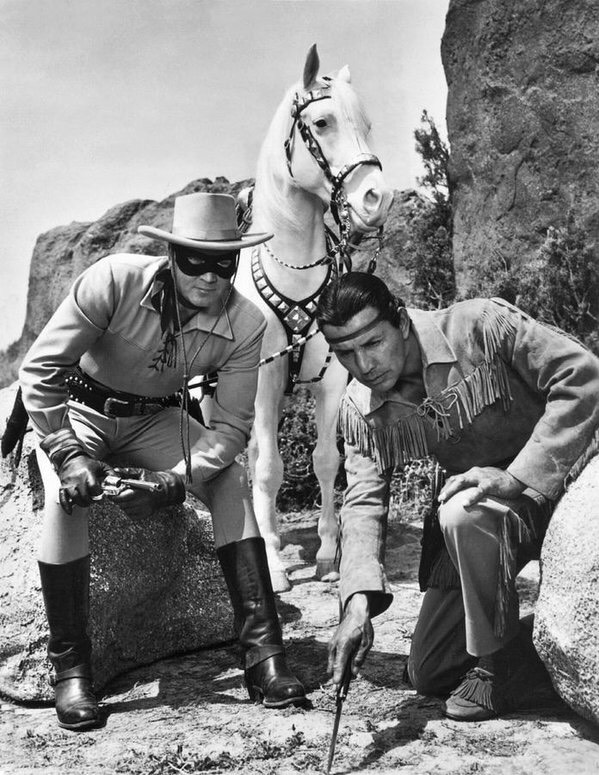
    We didn’t have a TV in our house growing up; long after it was considered a necessity, we hung out with the neighbors who felt sorry for us. That means what I saw stuck with me, so I can still hear this breathless voice plus sound track.  “A fiery horse with the speed of light, a cloud of dust and a hearty Hi-Yo Silver! The Lone Ranger! … With his faithful Indian companion Tonto, the daring and resourceful masked rider of the plains led the fight for law and order in the early western United States!”

    So where is that masked man and his far wiser companion? Fighting for law and order in the early west usually meant enforcing the Doctrine of Discovery. That was the law, but it was morally out of order. Subversive work to dismantle colonial structures needs activists/actors like Jay Silverheels who played Tonto. Tonto was a name that actually meant “Stupid”, but if stupid is as stupid does, Silverheels, a Mohawk Canadian, outsmarted them all. He was the first First Nations actor to portray an Amerindian. He received his own star on Hollywood’s Walk of Fame, was honored with a Life Achievement Award from The First Americans in the Arts and established a Community Center for Native Americans in LA.

    But back to needing a daring and resourceful solution to the dissolution of law and order we see in video clips or experience on the front-lines of demonstrations that start out peaceful and end up something else.  Maybe we don’t need a masked man.  Maybe we just need a silver bullet.

    Why silver? The Lone Ranger used silver bullets as a symbol of justice, as a reminder that life, like silver should not be wasted or thrown away. On the screen he never shoots to kill, just wounds those who are clearly “bad” guys. Never waste. Never shoot to kill.

    That what it meant in the days of Tonto and the Lone Ranger. A silver bullet now means an infallible means of attack or defense or a simple remedy for a difficult or intractable problem. Silver bullets are flying everywhere, and there’s more than wounding going on. The reality is that there are no infallible means of attack. Infallible means incapable of making mistakes. Tamir Rice could tell us about mistaking a toy for a weapon if he were still here. Breonna Taylor could tell us that locked doors are not infallible protection if she were here.  Violence is offered as a simple remedy by the Boogaloo Boys, or Alex Jones, as well as some who wear law and order badges. Many in the corridors of power as well some in the broken economies of city streets are target practicing on people who’ve lost the most.   When those with power believe we can do no wrong, that there’s nothing to apologize for, that the good guys, including God are always on our side, then we’re packing silver bullets.

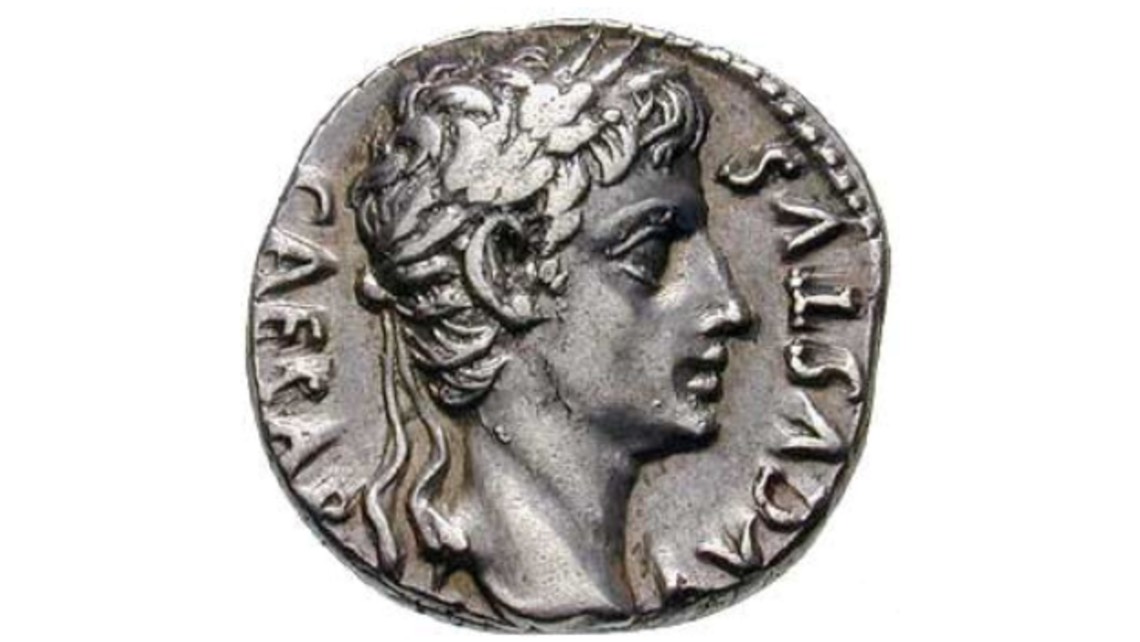
    Speaking of silver, a denarius (plural denarii) was an ancient Roman coin made of silver. It functioned like a dime or a quarter, a small part of a bigger currency or denomination. The smallest coin at the time was called the “as” or “asses” plural.  Think of a penny and dime in today’s marketplace. Once a denarius counted for 10 “asses”, just as dime equals 10 pennies. Its name means “contains ten”, but its silver content and its value went down over the course of the empire. By the time of the last emperor a denarius contained just 3 grams of silver.

    In Matthew 22:15-22 the religious authorities attempt to corner Jesus, push him into a shootout at the high noon of his ministry. Jesus sees them coming and says, “Show me the money”, and he’s handed a denarius.

    Whose image is this? Easy answer. Caesar sets the value because the Empire’s currency belongs to Caesar. It’s his silver. Give to Caesar the things that are Caesar’s. Silver coins. Silver bullets, Pieces of silver.

    But if you bear imago dei, if you’re imprinted with the name of the Beloved, then give God the things that are God’s. The early Christians had to answer a difficult question and there was only one answer: Who do you say that I am?  Remember what that answer cost them: Jesus is Lord; Caesar isn’t. That’s not a silver bullet. There is no silver bullet when it comes to the violence and mystery of the human heart. There’s no infallible means of attack or defense. Your metal will be tested by your willingness to put yourself in harm’s way for the sake of Love.

  • Holy Days at the Apple Pi Inn: A Stitch in Time

    Holy Days at the Apple Pi Inn: A Stitch in Time


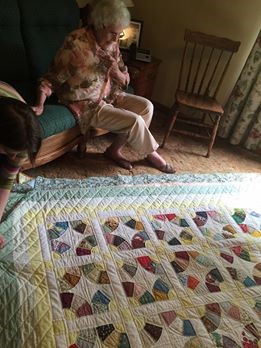
    June is unraveling as I look for the places in this old structure where repair is not an option but the question of survival. Foundation? Wiring? Siding? What can last another season? What needs saving now? I study the old quilts folded in drawers and envy those who could bind pieces of life together with a needle and thread. A stitch in time saves nine, but which “stitch” is the saving one?

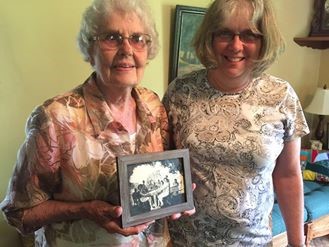
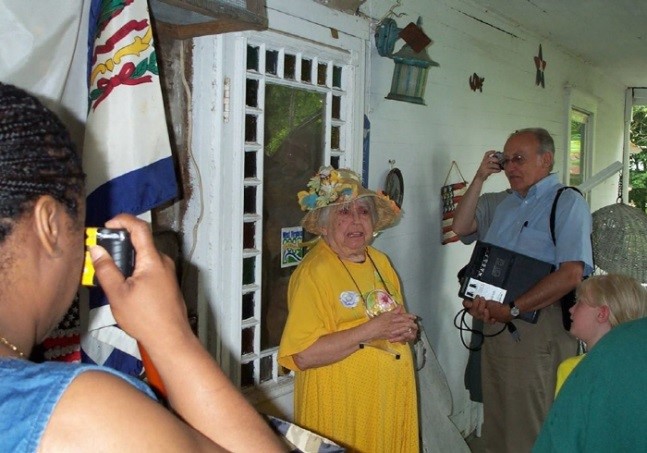
    Best to turn my attention to those who know about piecing life together. I visit Reberta and Lois, mother and daughter, retired teachers and artists of cloth. They hosted two of my students this summer and shared sharp wit and needle wisdom that they inherited from their mother’s mother’s hands.

    Here is a tie that binds time together. Here a construction of the gospel that wears well over time.

    The Quilters

    Blessed be the tie that binds:
    the heart
    the kindred mind
    the joy
    the inward pain
    the hope
    to meet again.

    They are were always:

    frontier followers
    pioneers in Jesus
    quilters of the call.

    They gather

    night and noon
    scraps of shadows
    snippets of light.

    They gossip for God
    stitch story skin
    quilt with gutstring
    unravel the tangles of shame.

    They trace the grace
    newly born
    freshly wed
    children’s children
    treasured dead.

    They bear but thimbles.
    They wear their needles bare.

    Quilters of the Call
    piece
    the four-square gospel,
    CrossXstitch

    truth in time.

    Copyright Heather Murray Elkins, 1985, Revised 2016. All rights reserved.


  • Altaring the World: Bits and Pieces

    Altaring the World: Bits and Pieces


    Sorting out stuff for a departure from this particular state (geography or mortality) is spiritually exhausting and a very dusty bodily experience. I have a life-long affinity for “bricolage”, a process by which one begins with bits and pieces of traditional linguistic material, arranges some of them into a structured whole, leaves others to the side, and ends with a language ready to use.[i]

    This affinity is turning into an affliction.


    I’m not sure I’m going to end up with a language ready to use while sheltering in the basement. I’m sorting out trash/treasure of the past to the ominous present and shattering sounds of the violence of the state.  I make lists when chaos threatens, so the listing begins:

    • Another! #$$\* box of Bill’s black notebooks – He only writes in the first 20 or so pages, but what I can decipher (dreams, philosophy, unfinished songs) are too good to throw away.
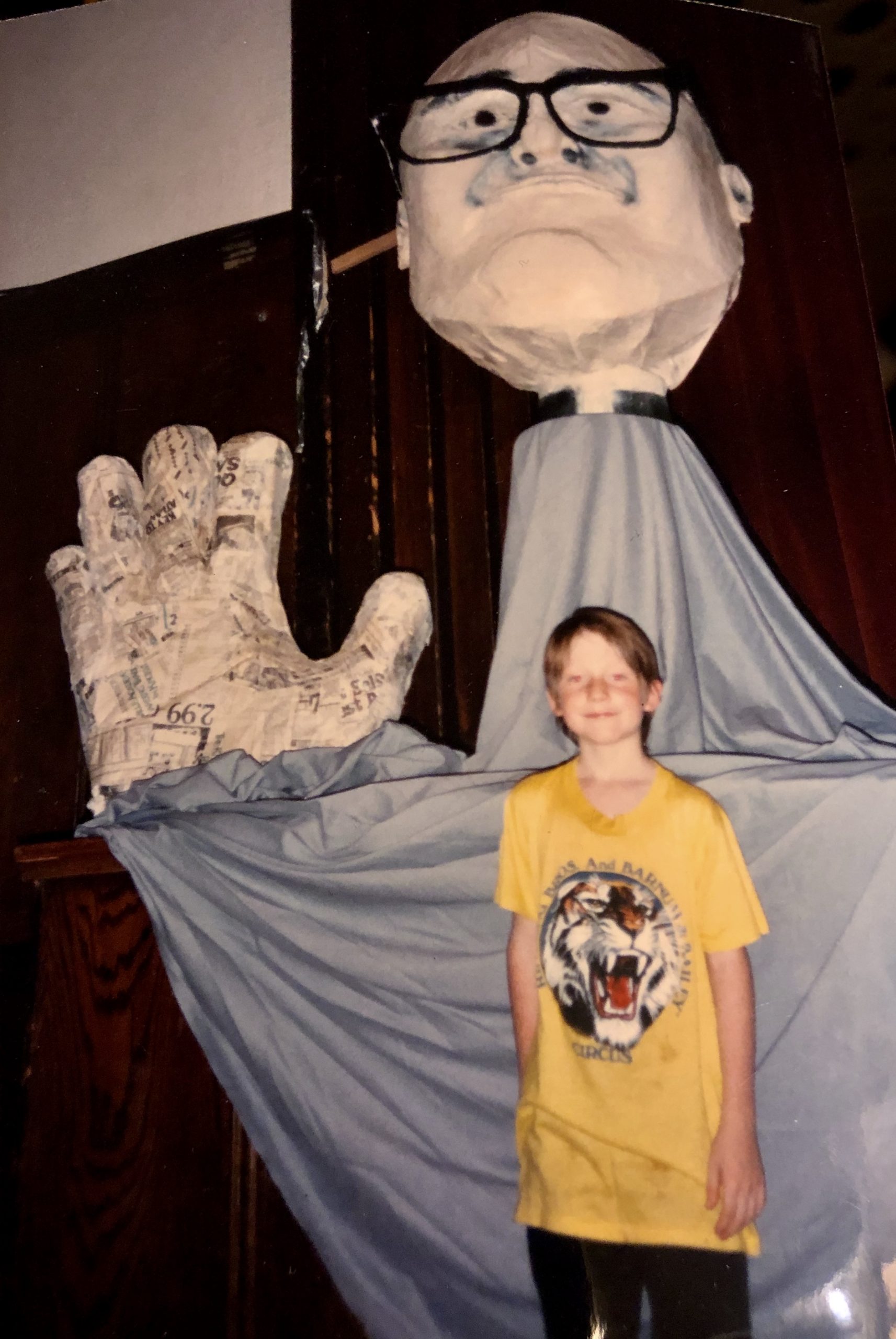
    • A picture from the Knoxville Fellowship with Daniel and the giant puppet of Bishop Oscar Romero he was helping to paint. – His last sermon before his assassination echoes in our streets “I want to make a special appeal to soldiers, notional guardsmen, and policemen: each of you is one of us. The peasants you kill are your own brothers and sisters.”
    • A copy of Weavings “Keeping the Door open for the Holy” is under the bookcase I move. – I read these words, written after the death of her husband, John, from Marjorie Thompson: “Sometimes staying open to the Holy is just the sheer tenacity of hope, a steady desire not to loves the thread of connection.”


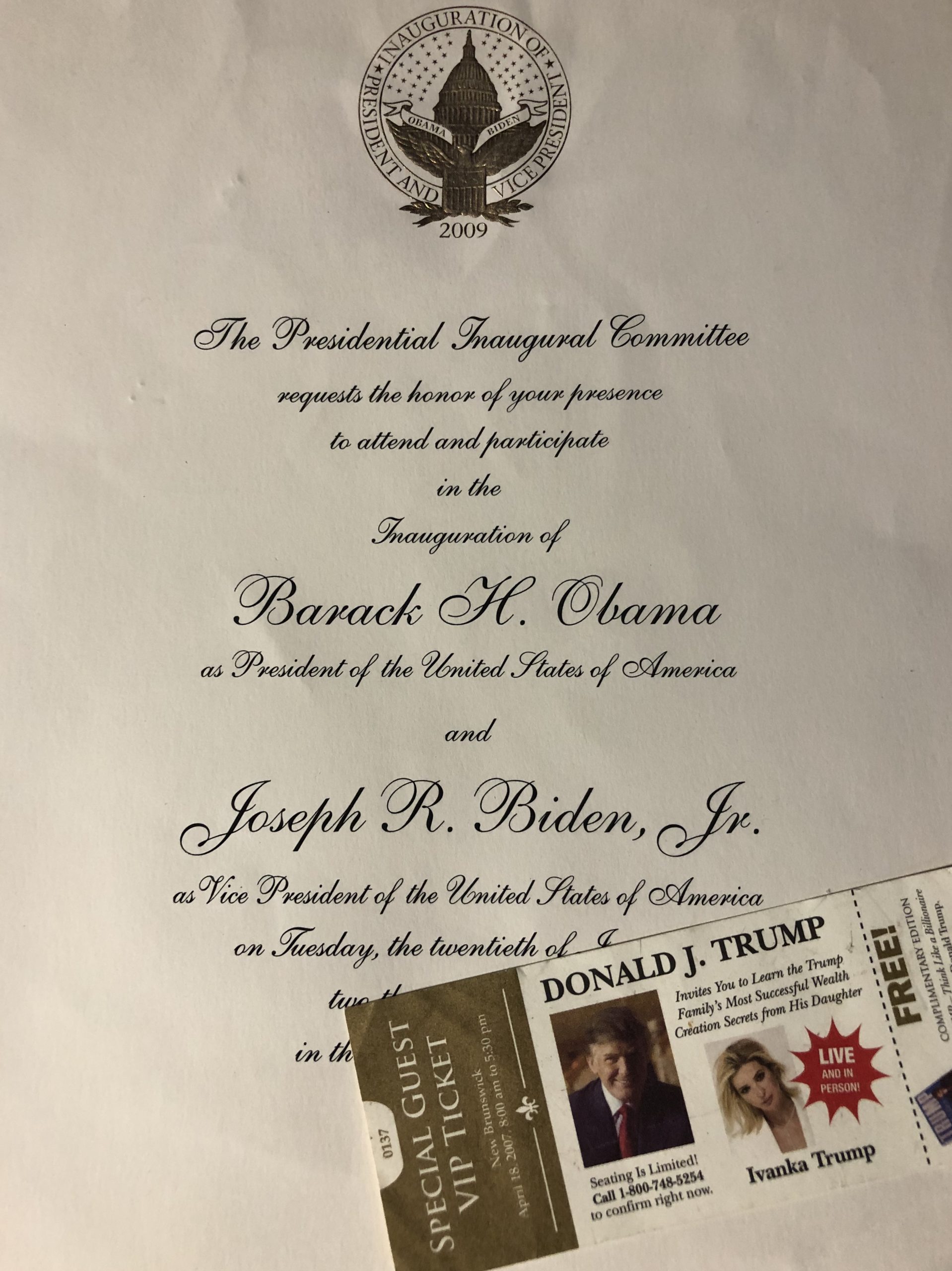
    The thread of connection can present a threat as well as a paradox.  How is it possible to have an invitation to the 2008 inauguration of Barack H. Obama and Joseph R. Biden, Jr. in the same box as a special guest VIP ticket from Donald J. Trump who “invites you to Learn the Trump Family’s Most Successful Wealth Creation Secrets from His Daughter, Ivanka.”  Whose stuff is this??


    I’ve always identified the Holy as having an impertinent sense of humor, but this verges on radical rearrangement of the universe. I move to the next to next to last box as I listen to President Obama’s Town Hall and then I see the quote about hospitality for presidents from WV’s governor, named “Justice” pop up on my Facebook feed. “We should absolutely welcome all but, you know, maybe not Barack Obama.” I find myself praying that the waters of justice roll down and streams of righteousness rise in West by God Virginia.


    So much for lists as a form of chaos control. The center isn’t holding, and that may be a very good thing. I’m not sure I’m ever coming up from this mess. I shut off Facebook and turn on Sweet Honey in the Rock, “We who believe in freedom cannot rest until it comes.”

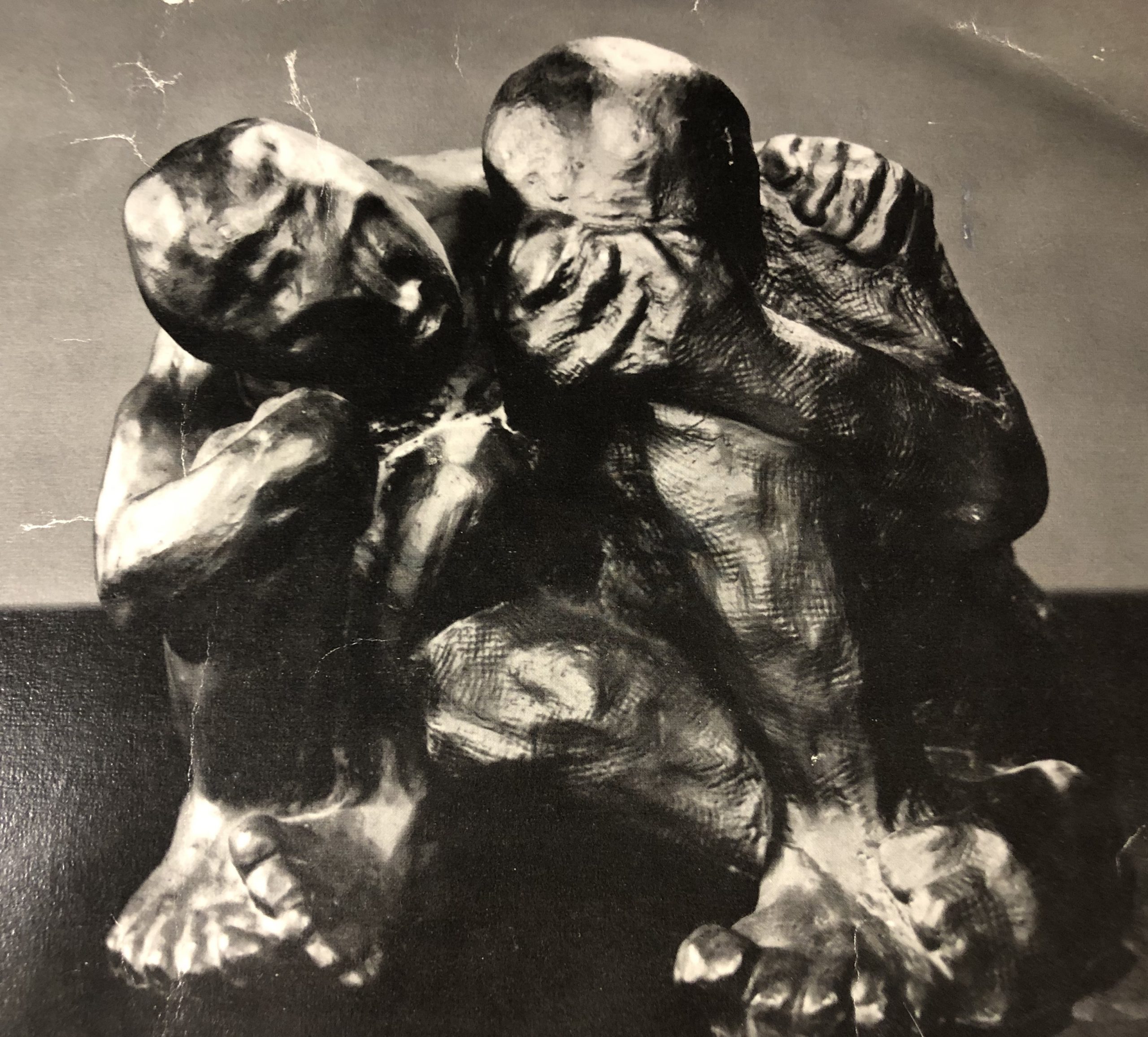
    So, suck it up. I’ve got my marching orders. I move on to uncover the lost that will keep me found. A Carlyle Marney photo from Interpreter’s House that says everything there is to say about authentic ministry, one human being comforting another as they weep.  A poster/gift from Ada Maria Isasi-Diaz from an early women’s march: “Bread and Roses, Bread and Roses!” is wrapped up for the journey toward freedom. It will go a long way with the image of the hand-painted sign from this week’s protest: “All mothers were summoned when George Floyd called out for his Momma!”


    I open one of my Grandma’s last bibles and read: “He hath scattered the proud in the imagination of their hearts. He hath put down the mighty, from their seat: and hath exalted the humble and meek. He hath filled the hungry with good things: and the rich he hath sent empty away.”

    .


    [i] Claude Levi-Strauss, The Savage Mind , Chicago, University of Chicago. Press 1966, 74.


  • Holy Days in the Apple Pi Inn: Living in the Fires of Pentecost

    Holy Days in the Apple Pi Inn: Living in the Fires of Pentecost


    Pentecost Sunday but I’m in the Garden State, not Almost Heaven, and on a different pilgrimage than planned. The plan was to return to Drew to teach a week-long class on Native America and UMC Missions and then take the class on a 9 day travel seminar through the Northeast. I was not supposed to be “Teacher” but Learner as Dr. Thom White Wolf Fassett and Cyndi Kent lead us where we need to go inside the classroom and through time and space on the road. Dr. Fassett had to decline so that he could concentrate on health needs, so I began digging out files I’d carried into Wirt County.

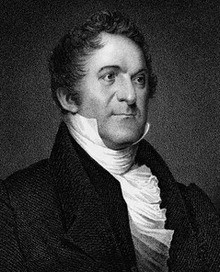
    The missing link between Wirt County and Native America turned out to be a revelation. Wirt County was named for William Wirt, the 9th Attorney General of the United States. I knew President Thomas Jefferson asked him to serve as the prosecutor for Aaron Burr’s trial for treason. The history of Blennerhassett Island is part of the history/story of this place.

    What I’d never noticed until now was another part of Wirt’s story. In June 1830 a delegation of Cherokee led by Chief John Ross invited Wirt to defend Cherokee rights before the U.S. Supreme Court in the case known as Cherokee Nation v. Georgia. Wirt’s argument: sovereignty. Cherokee Nation was “a foreign nation in the sense of our constitution and law” and was therefore not subject to Georgia’s jurisdiction.

    In a second case, Wirt was asked to defend the rights of missionaries who had been evicted or imprisoned for supporting Cherokee resistance to removal. In the spring of 1832, the Supreme Court ruled that the Cherokee Nation was “a distinct community, occupying its own territory, with boundaries accurately described, in which the laws of Georgia can have no force, and which the citizens of Georgia have no right to enter but with the assent of the Cherokees themselves or in conformity with treaties and with the acts of Congress”.

    Chief Justice John Marshall knew he was challenging President Jackson’s wishes, but the law was the law. So why was there a bloodied history of forced eviction known as the Trail of Tears? Because President Jackson defied the law of the land and told the state of Georgia, “Light a fire under the Cherokee. They’ll move”.

    Some were driven through the snows from Georgia to Oklahoma. Some headed for the mountains and mingled their blood with the immigrants of Scotland, Ireland, England, and Eastern Europe who populated the Appalachian Mountains. They carried traditions in their bodies but were forced to leave their names, their language and their land behind.

    A time for burning. A story that needs to be learned by heart so we don’t repeat the history.

    So why I am writing this reflection on Pentecost in the Garden State and not on the road with other learners? Because my William, husband of 40 years, had emergency heart surgery on Friday evening. Saturday, I sent the class on under the care of a great teacher Cyndi Kent, a Southern Ute, and UMC.


    Today, Pentecost Sunday, Bill is now released and resting peacefully on a comfortable couch in Copperbeech. Thanks to two stents and two doctors willing to work over Memorial Day weekend we will have time.
    We will have time.

    Baptized by Fire
    If you pray for fire
    on this day of wind and flame,
    Beware.
    It is a living thing
    and its care requires a calling.

    Altar fire will alter.
    Scorch marks are the scars
    of hell and resurrection.

    Remember Moses.
    He turned aside
    to find the burning
    that consumed his fear.

    The way is not straight.
    The path is not plain,
    but heat will rise.

    Track the heat of fiery tongues
    through texts unscribed
    in Tribes unknown but named by God.

    If Campfire calls,
    step into the circle.
    Consumption is consumed.
    Destiny reduced to ash.

    This and only this is Manifest:
    Fire will purify.
    Only Life survives.

    For those on pilgrimage Pentecost 2015, Rev. Honey.
    Heather Murray Elkins, © 2015


  • Altaring the World: In beauty it begins

    Altaring the World: In beauty it begins

    The order for closing the doors hadn’t come yet, but we were already sheltering in place as the cold winds of March blew in. Bill had too many near misses over the winter, so I gather up necessities for an unknown stay-in. For me, that includes a masked visit to the nearest second-hand book store. They had an eclectic collection, with an entire shelf occupied by Tony Hillerman, a mystery writer honored by those to whom he dedicated his books: the Navajo and Hopi nations.


    I want an escape hatch from the pandemic present. I miss classes, hallway conversations that are often converting. I need to travel backwards in time to the place I first “earned” my living, working on excavations on Black Mesa as a college student, and then at Rough Rock Demonstration School as a language arts consultant at the foot of the Mesa. In the confines of a Delaware living room, I long for “the immense sky, the line of thunderheads building over the Coconino Rim, the sunlight reflecting off the Vermillion Cliffs below the Utah border, and the towering cauliflower shape of the storm already delivering a rain blessing upon the San Francisco Peaks, the Sacred Mountains marking the western margin of his people’s holy land.” The First Eagle, p. 137.


    I open the book and fall into a trap; the hero, Jim Chee, a Navajo Tribal Police Officer, is tracking a murderer and a virulent threat of bubonic plague. Contamination. The twist in the wind news from the Center of Infectious Disease Control and the unraveling plotlines of a novel add to the sense of suspense and the mystery of social dis-ease. There’s no escaping this pestilence.


    I leave Chee in the eagle blind and locate Rough Rock School on a Google map. The notation states that the school is closed. I turn next to a text that first carried my name into print. It’s filled with names of those who initiated me into education at the foot of Black Mesa. It’s a collection of methods, stories and dramatic structures for Navajo children’s bi-lingual education. It’s written in Navajo and English, sparked with images that are more durable than the words they “illustrate”.

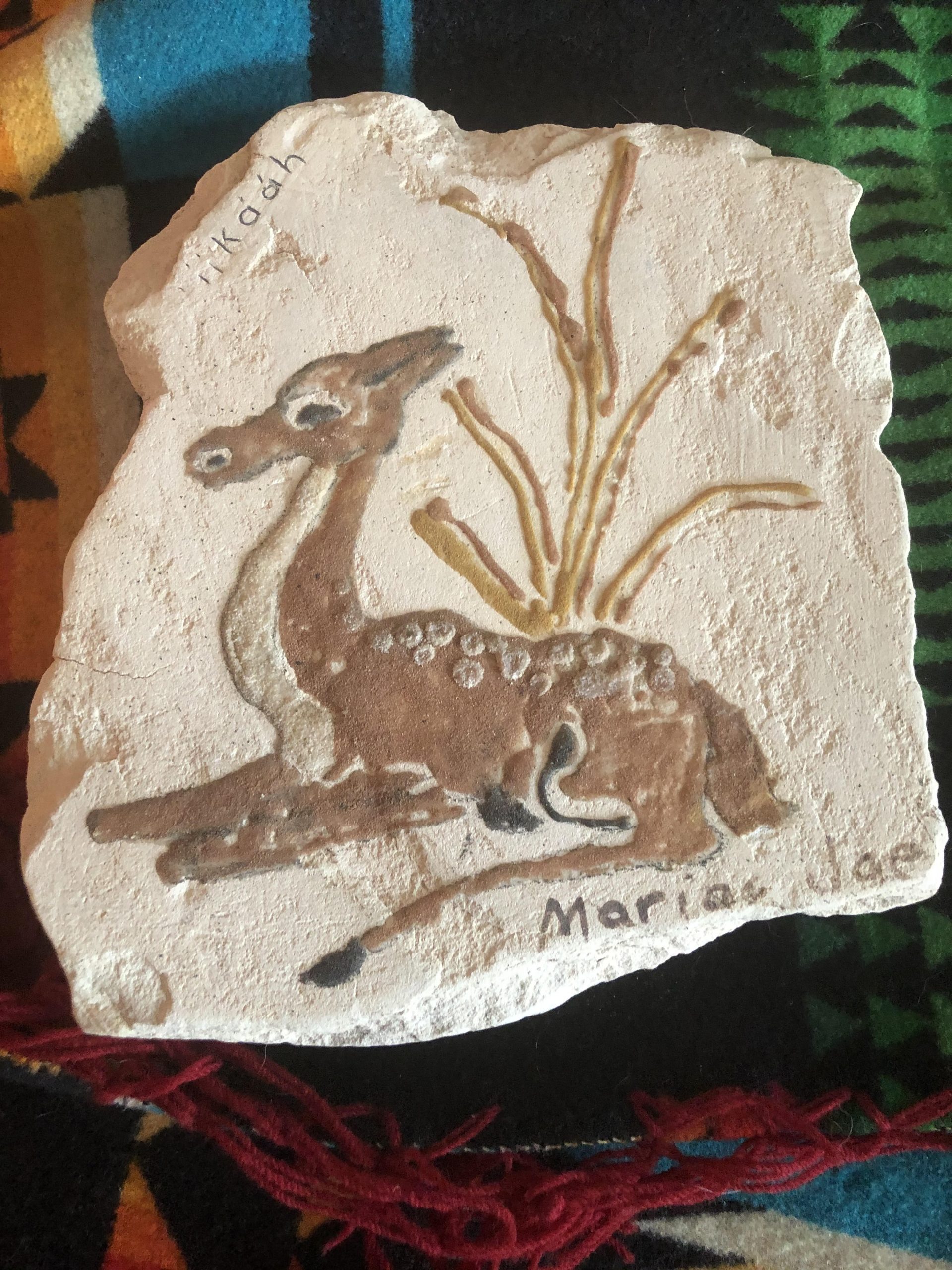
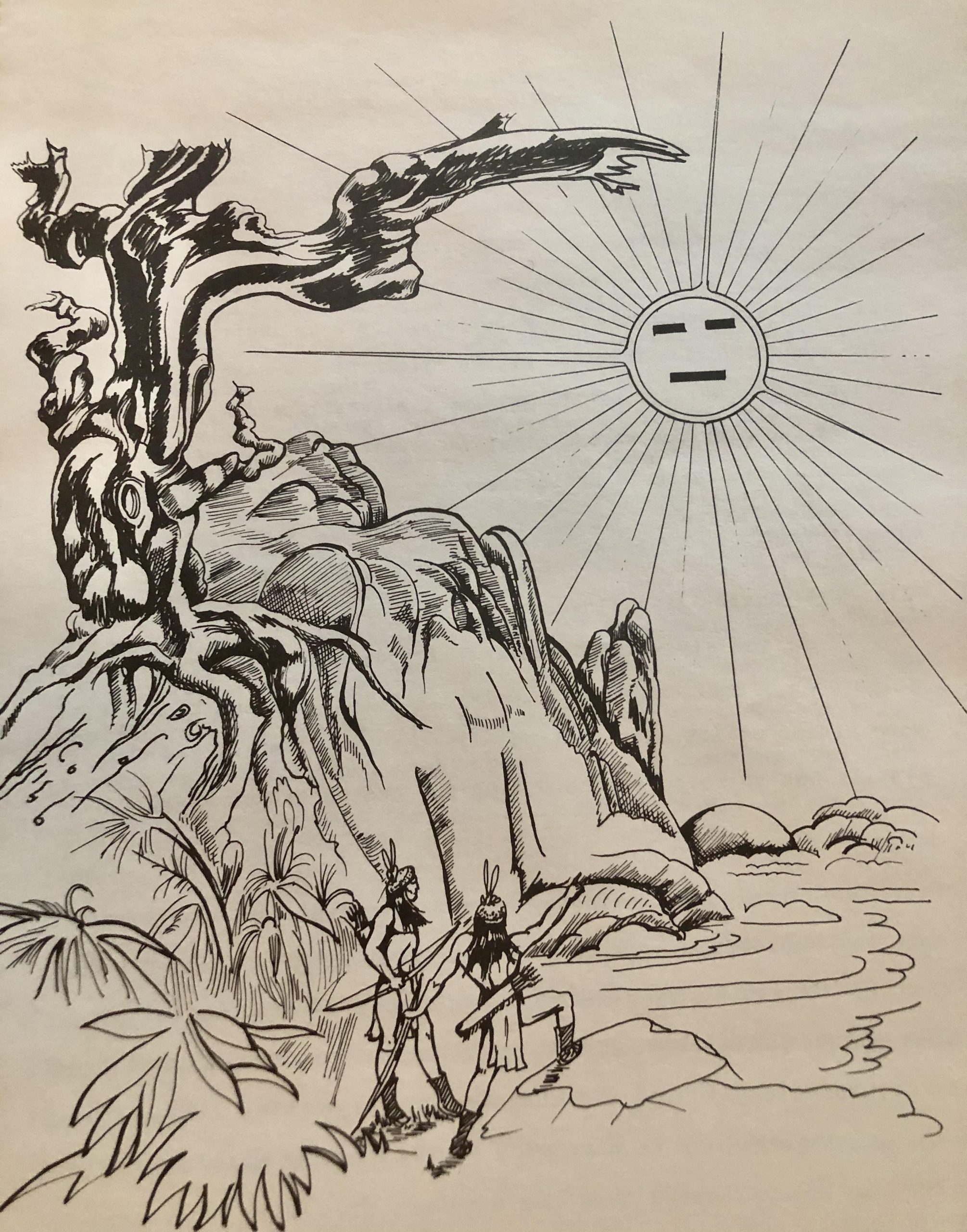
    I study the names of these teachers of Dine’, the people; I remember the faces of the children: Maria Joe who drew a deer in sand linked to its name; Anderson Benally whose wit was as pointed as his pen; the mythic story of the Twins on their journey to their father, the Sun; the grace of a shepherd girl holding a lamb.  I hear these voices, these visions, call for medical help, for the recognition of treaties, for the medicine of economic kindness, and the shouts for justice from the Four Corners and beyond. Those who hear will be counted as part of the human family if and only if they join in the struggle. See the article here.


    Smallpox was the first genocidal virus carried here by bellegonnas; covid-19 may be as devastating to First Nations as the bubonic plague was to Europe. In their own defense, Navajo police are blocking roads, setting up checkpoints, tracking down the life-killing enemy, with the dedication of a Jim Chee, the wisdom of Joe Leaphorn.


    I find myself spreading my aging Pendleton blanket across my knees and praying for a visitation of Changing Woman, whole and holy, lover of the two-legged ones. Restore the harmony of lives open to Mystery. Draw out the unhuman forces of evil, the greed that contaminates community. Help us stand guard at the crossroads for the sake of all creatures and creation. As it was in the beginning, is now and ever shall be: may what begins in beauty end in beauty.

  • Holy Days in the Apple Pi Inn: Memorial Days

    Holy Days in the Apple Pi Inn: Memorial Days


    Day is done. Gone the sun. All is well but I’ve missed hearing the ceremonial explosive sounds of rifles fired in respect, the trumpet lament of Taps, the sight of decorated graves, and the salutes given to comrades long gone but not forgotten. This is the first year without an opportunity to pray or bless or speak well of the dead in the presence of the living. I send these notes out as a way of speaking well.

    I’m not isolated from the images and stories of this country’s wars. Bill is in recovery, sitting in an easy chair as he follows the bloody steps of the blue and gray through the Peach Orchard of Gettysburg via earpiece and IPhone. I hope Battle Cry of Freedom by James M. McPherson is what the doctor ordered.

    If I were in the Inn I could post a picture of the triangle fold of Dad’s flag, and the picture of his WWII Company of the Corp of Engineers. We were raised on this creed: “The difficult we do at once; the impossible takes a bit longer.”

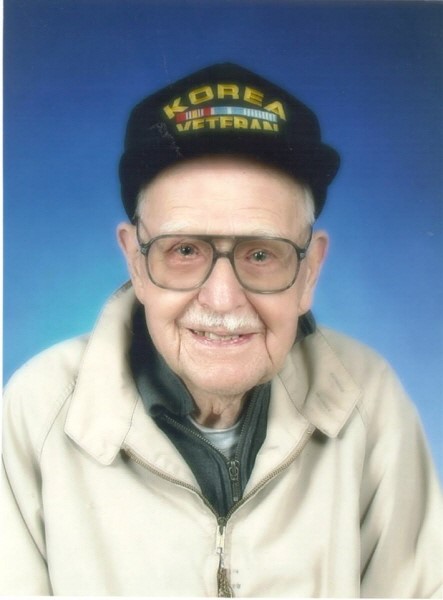
    I have the picture of him wearing his Korean War hat that was taken when he came to visit me in South Korea after 9-11. Many West Virginians volunteered for WWII, stayed in the reserves, and were called up again for Korea. The entire shift in the Weirton Steel Mill signed up during their lunch break on Monday December 8, 1941. The man ahead of Dad signed his name and said, “They can’t do that to us. Where the hell is Pearl Harbor?”

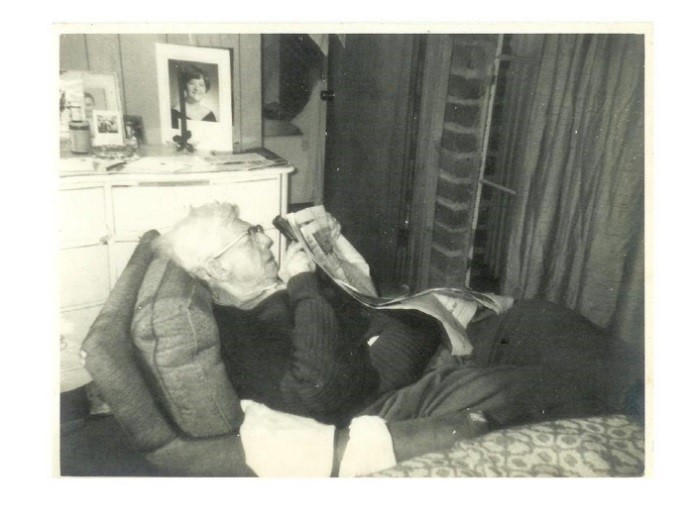
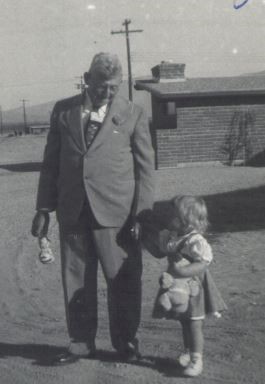
    But the story of service that links the structure of this Inn together tonight is the First World War, the war that was to end all wars. It is my grandfather’s record that was about service and not soldiering. He tried to enlist when the call went out for the “Yanks”, April 6, 1917. Why did we enter that War?

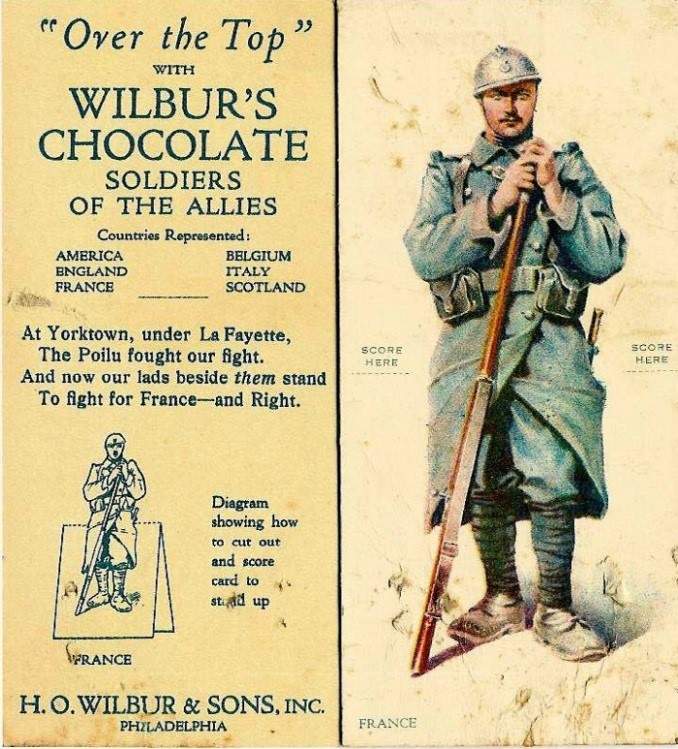
    I have a chocolate box that has an answer:

    “Wilbur’s Chocolate”
    At Yorktown, under La Fayette
    The Poilu fought our fight.
    And now our lads beside them stand
    To fight for France—and Right.”

    But A.E Hoyt’s eyes were bad; he was rejected. He then presented himself to the YMCA. They were also recruiting and he was sent to the trenches outside Paris. His job was to bring coffee, write letters for men who couldn’t write, bring books to those who could read. He helped to set up the first lending library for the troops in Paris and he loved to read aloud to anyone who’d listen.

    He filled our childhood with the sight and sounds of reading. We were raised on the songs, not the stories of that War. We were also taught that the Statue of Liberty was the most beautiful woman in the world for if you survived the battles on land, and the flu that took so many lives at sea, she would be waiting for you as you sailed into New York’s harbor.

    Bill’s fallen asleep and the stars are clear. Safely rest. God is nigh.


  • Prayer Book

    Prayer Book

    How does one pray during a pandemic? Are there performative forms of lament or grammars of grace that articulate sighs too deep for words in times like these? Individuals and institutions have begun collecting prayers like precious rain-water. I read words on scrolling screens along with unknown others in virtual reality. On some bone-dry days I pour poetry into my eyes; I sing along with Rising Appalachia or Aretha Franklin. Singing together will be a dangerous act, a deadly conspiracy when the doors of the church open again.


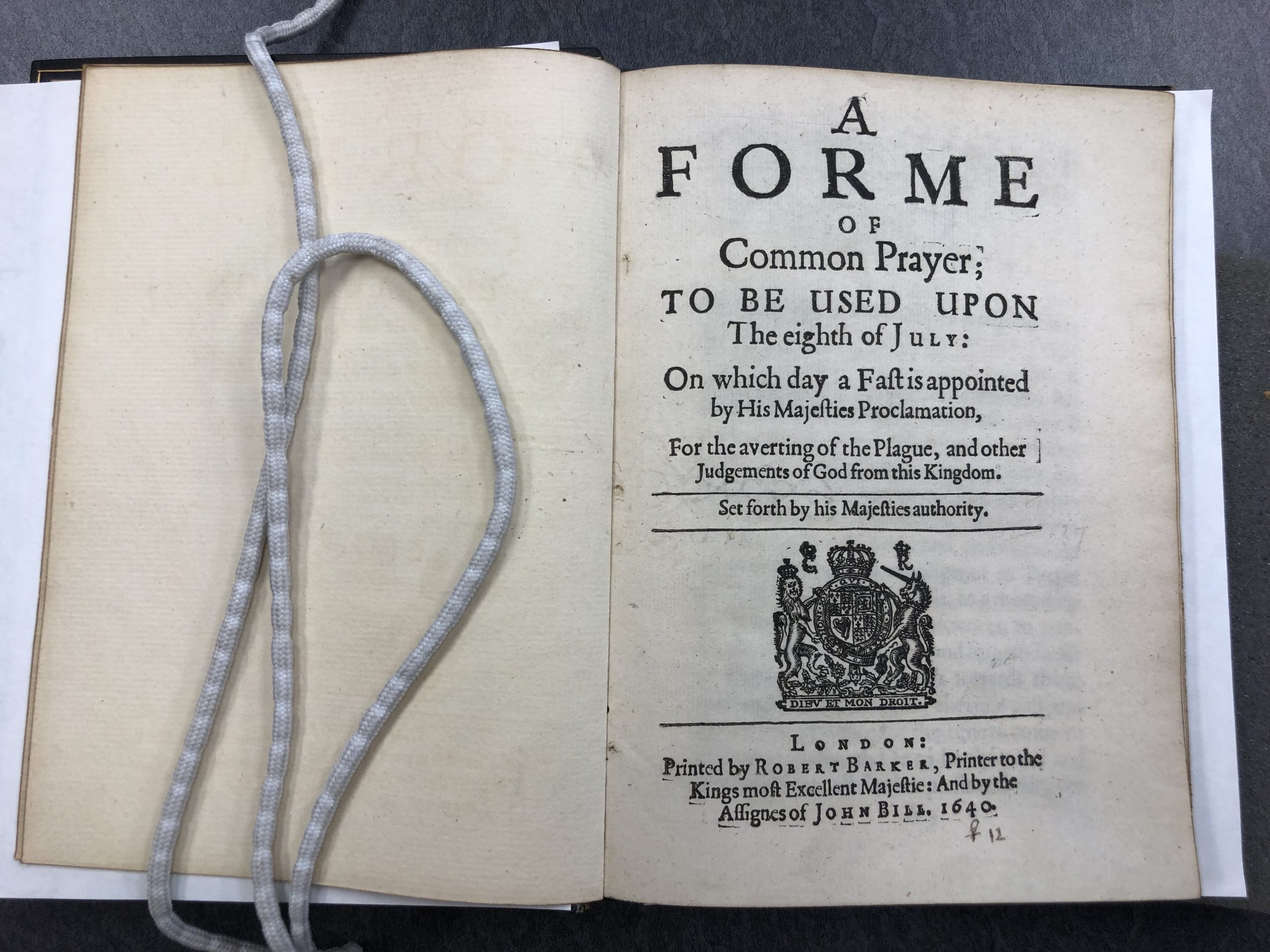
    My pandemic prayer quest retrieves a text in Drew’s archives, courtesy of Jesse Mann and Brian Shetler. The title page spells it out. “A Form of Common Prayer, Together with An Order of Fasting for the averting of God’s heavy Visitation upon the many places of this Kingdom, and for the drawing down of his Blessing upon us, and our Armies by Sea and Land.” It includes a set of instructions: “The Prayers are to be read every Wednesday during this Visitation, Set forth by His Majesty’s Authority.” Anno 1625


    I dig out my church history notes to figure out which majesty provides the prayers and orders fasting: Charles the First. These prayers appear the same year that Charles ascended to the throne of England, Scotland, and Ireland. Charles took his conviction of the divine right of kings seriously. That conviction is clearly set forth The Preface:


    “We be taught by many and sundry examples of holy Scriptures, that upon occasion of particular punishments, afflictions and perils, which God of his most just judgement hath sometimes sent among his people, to show his wrath against sin, and to call them to repentance, and to the redress of their lives, all men ought to be provoked and stirred up to more fervency and diligence in prayer, fasting and alms-deeds, to a more deep consideration of their consciences, to ponder their unthankfulness and forgetfulness of God’s merciful benefits towards them, with craving of pardon for the time past, and to ask his assistance for the time to come, to live more godly, and so to be defended and delivered from all further perils and dangers. So, king David (2 Sam. 24.14) in the time of plague and pestilence which ensued upon his vain numbering of the people, prayed unto God with wonderful fervency, confessing his fault, desiring God to spare the people, and rather to turn his ire to him, who had chiefly offended in the transgression. The like was done by the virtuous kings, Josaphat and Ezekias, in their distress of wars and foreign invasions.”


    I consider this claim:  a national leader should pray with fervency, confess his faults, and ask God to spare the people. Scriptural reasoning and a tradition of divine right holds a leader accountable for the transgressions that have provoked God’s just judgement of plague. His “majesty” is confirmed by God’s majesty, therefore when the king prays, the Holy One hears.


    Intercessory prayer by the King for the people does not, however, remove the obligation of the people for “more fervency and diligence in prayer, fasting, and alms-deeds”. Alms-deeds is a compelling combination, an open-handed service of time and money offered in defense of any good community that wishes to survive.


    “Particular punishments” are evidence of the existence of a just God who has “visited” this pestilence on God’s people. That theological conviction is not held in common now. An unquestioned equation of suffering = sin was challenged in the book of Job, and by Jesus, but it’s not hard to find pandemic prayers that invoke the same cause and effect. The nation has sinned, and the evidence cited ranges from forgetfulness of God’s mercy to specifics: abortion, homosexuality, sexual immorality, corrupt leaders, corporate greed, racism, xenophobia.


    There were lists of individual and corporate sins in the 1626 prayer book, including economics: “Also that our trades and traffic is become the practice of deceit, and theft, while we make our gain by lying, forswearing, false measure, false weights, and false lights, which are an abomination unto the Lord…”


    The chief sin is ascribed to any who challenge to those in authority. They are framed by scriptural references to people who are “factious and seditious conspirators” and murmur against their God-appointed leaders.  “The people of Israel murmured and rebelled against Moses and Aaron (Num. 16) their leaders: and there have been also among us in England not only such as have despised government, and spoken evil of those that are in authority: but such also as S. Paul (2 Tim 3.4) prophesied of, that there should come in the later days traitors, heady, high-minded murmurers, malcontents, fault-finders, as S. Jude calls them(Jude 8)


    Prayers for the king and his family are included but it is striking that a prayer for Parliament is included for the first time in this 1625 Prayerbook, designed to be read aloud in session. Here is a poignant reminder that we have inherited forms of prayer that have yet to be demonstrated in a common wealth of happiness and blessing.


    “And they are come into thy house in assured confidence upon the merits and mercies of Christ (our blessed Savior) that thou will not deny them the Grace and Favor which they beg of thee. Therefore, O Lord, bless them with all that wisdom, which thou knowest necessary to speed, and bring great Designs into Action, and to make the maturity of his Majesties and their Counsels, the happiness and the blessing of this Commonwealth.”


    Charles the First assumed the throne on March 27, 1625, believing in the divine right of kings and his role as head of the Church. He observed daily prayers and the eucharist, and was known for his love of Anglo-Catholic liturgical life. The prayer books for 1625, 1636, 1640 offer scriptural and liturgical resources for a nation suffering the devastations of plague, economic collapse, and war. Perhaps Charles believed the proper rites could guarantee right rule. He fiercely enforced the use of the Book of Common Prayer on England, but triggered a rebellion in Scotland over the attempt. His repeated losses in English Civil wars in 1642, quarrels with the Parliament he ordered prayers for, and his conviction that he was answerable only to God led to his execution in 1649. His Archbishop, William Laud, also beheaded by Parliament, named the dilemma: “A mild and gracious prince who knew not how to be, or how to be made, great.”[i] A leader who doesn’t know how to be great or what it takes to make his nation great loses more than his head; history records him as a fool.
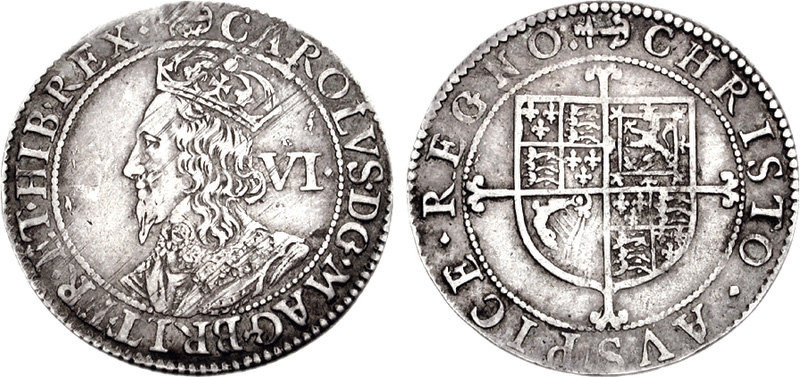
     

    The prescription of alms-deeds, prayer, and fasting as a national response to plagues, pestilence, and pandemics still seem like good medicine. Certainly, there are pastors now who are gathering their people virtually as faithfully as the pastors of the 17th century.

    “Let all Pastors and curates exhort their Parishioners to come to the Church, with so many of their families as may be spared from their necessary business (having yet a provident response to such assemblies to keep the sick from the sound while in places where the Plague reigns) and they to resort thither, not only on the Sundays and Holy days; but also on Wednesdays and Fridays during the time of these present afflictions: exhorting them to behave themselves there godly and reverently, and with penitent hearts to pray unto God turn these Plagues from us, which we though our unthankfulness and sinful life have deserved.”


    There were also orders for social distancing, and the guidelines based on the best that science and philosophy had to offer. These were communicated in An Exhortation Fit for the Time that was to be read every time people gathered.


    “Again, because in this great mortality of ours, we find by experience, that not so much any general corruption of the air, nor any distemperature of the blood, or humors of men’s bodies have been the causes of the spreading and continuing of this infection, as the contagion that the disease itself has bred, in which one man receives from another, the sound from those that are sick: Therefore also men are to learn that one chief and ordinary means of their preservation in this dangerous time is the avoiding of the contagion that comes by mingling disorderly the sound, and the sick together. And if there be any that being yet sound do think they are not bound in conscience to shun and avoid the persons and places that are infected, except it be in case of necessity: or if those that are diseased or do keep in houses where the disease is known to be, shall think much that are that they are shut up and restrained from coming abroad, or frequenting the common and public assemblies of those that are clear having in the meantime such things as are necessary for their sustentation They must be content to hear out of the word of God their error therein and ignorance.”


    Error and ignorance of the Word of God is demonstrated by those who will not keep in houses or avoid persons and places of infection. There’s even a reference to the necessity of “lepers” wearing masks in public as evidence of their faith in God and concern for the public good. An assertion of individual rights over welfare of others, and armed threats against those who serve in Congress are unmasked forms of rebellion in any age.


    There is one collect and one biblical citation in these prayer books of the time of England’s plague I carry into my prayer life now in this time of pandemic.


    The first reading is from Joel. It is to be read with a loud voice at the start of the prayers:

    “Rend your hearts and not your garments, and turn to the Lord your God, because he is gentle and merciful, he is patient, and of much mercy, and such a one that is sorry for your afflictions.”


    The third collect is for any time the shadows threaten to overwhelm the light.

    “Lighten our darkness we beseech thee, O Lord, and by thy great mercy defend us from all perils and dangers of this night, for the love of thy only Son our Savior Jesus Christ. Amen


    May the grace of our Lord Jesus Christ and the love of God, and the fellowship of the holy Ghost, be with us all. Alleluia


    [i] Gardiner, Samuel Pawson (1906), The Constitutional Documents of the Puritan Revolution 1625-1660 (Third ed.) Oxford: Clarendon Press. p. 83

     

  • Post Office

    Post Office


    “You’ve got mail” once meant: letters, packages, postcards, bills, newspapers, magazines, and of course, junk stuff, delivered by an intrepid human being to your door slot, your PO Box, your rural route mailbox.  What do you call this human who delivers?  Not mailman, unless he is. Try bearer, courier, delivery person, letter carrier, messenger, shipper, transporter. Regardless of title, they bring you tangible evidence that you exist, and texts that prove you’re not unknown to the universe.


    I review the letters and cards I’ve carried from one location to another, some for one decade, then two, then three and more. Letters to and from our son Daniel were lifelines while he was at St. Thomas Choir school. Wedding announcements. Christmas cards. Thank you cards and valentines. Even messages from the departed. My husband once received a birthday card from my mother who’d died three years earlier. It turned out that she’d given a friend several cards she’d already signed, and those went into a yard sale after her death. The person who bought them send one to Bill as a reminder that his mother in law still had a few things to say.


    Speaking of things to say, there’s a myth about the Postal Service’s motto, “Neither snow nor rain nor heat nor gloom of night stays these couriers from the swift completion of their appointed rounds.”  It’s not their motto and you don’t have to raise your right hand and recite this over a stack of stamps when you get hired. The quote comes from the inscription on the General Post Office in NYC, and 8th Ave and 33rd. It was inscribed at the request of the Office’s architect, William Mitchel Kendall, who borrowed it from Herodotus, Greek historian and traveler (430 BCE).


    You do have to take an oath, however. You have to solemnly swear to “Support and defend the Constitution of the United States and protect the US against all foreign and domestic enemies. Speaking of support and defend, where would we be in this Covid crisis without an affordable means to order medicine, or food, or face masks? We need couriers of the good community, bearers of news that is real and sometimes good, messengers of peace, and those who deliver words of life.


    What will happen if this institution goes broke and closes? My grandma, even in her 90’s, grieved about not being able to contact people she loved during the Depression. A stamp cost 2 cents and no one had two cents to spare.

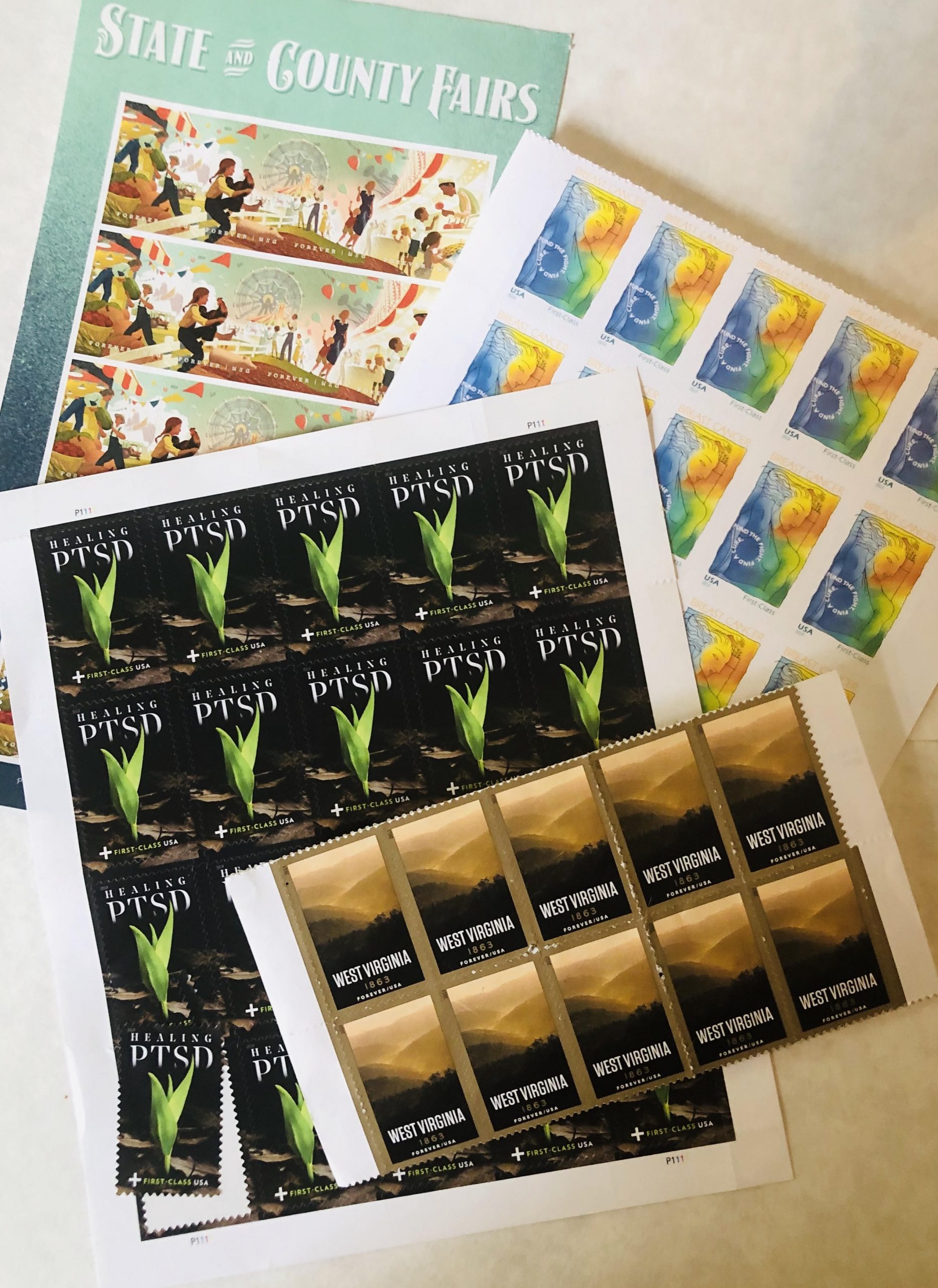
    We need leaders who will not be “stayed” by the heat of the struggle or the gloom of night or the threat of the dogs of hate and war. We need public servants who, like mail carriers, are required to stop at any mailbox with the signal flag up. We need stamps of approval for causes like breast cancer or PTSD, secular saints like Gwen Ifill and Jim Henson, images of county fairs, coral reefs, and flowers from the Forever Garden. We’ve got mail. We need to support and defend and protect all that this means.

  • Holy Days in the Apple Pi Inn: Mothers’ Day

    Holy Days in the Apple Pi Inn: Mothers’ Day

    In my Mothers’ house are many rooms, and each is many stories high.

    In 1875 Mary Jane Bee, a widow of a Confederate Captain, purchased the old Tavener House in Elizabeth, WV. She and five of her children ran this as an Inn for travelers on the Little Kanawha River. Oil men, circuit riders, salesmen, circuit judges, English fox hunters, even delegates for the Republican Senatorial Convention in 1894 found room in this Inn/Hotel.

    I write this history in the long dining room where meals were served “home style.” I wonder about this great great great Grandmother Bee and her skills as a mother, cook, book keeper, gardener, peace keeper, and hostess. Her only known portrait shows a woman with a fierce eyes and a strong jaw. I ponder over one daughter’s decision to marry a guest, a itinerate painter. Was young Emma tired of all the fuss and buss of a noisy Inn where patrons often spent the nights playing poker? Did she long for a room of her own with a view?

    The painter she married was a “rambling man” and Emma died young, leaving my grandfather, Arthur Edward Hoyt, at age 14, to raise his younger brother and sister. Whatever memories connected Emma’s children to this place got embedded in an odd verse of song, sung to my grandfather by his artfully father, “Three little girls in blue, lad. Three little girls in blue. I painted the others, but married your mother and then we drifted apart.”

    My family story and this structure of hospitality also drifted apart, in 1883 only coming together again in 1983 when my mother read an account of the Kanawha Hotel that listed its owners. She recognized Mary Jane’s name, remembered the odd song her father had sung to her about his parents’ meeting, marriage, and separation.

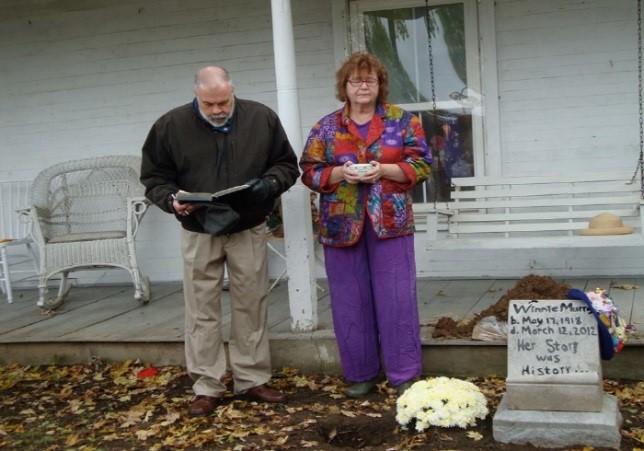
    “That’s my house, my hotel!” my mother declared to the startled beautician who was cutting her hair. And with my father’s help, it became her hotel, her house, her history classroom, her story, and her stage for entertaining whoever loved old stuff and wild West Virginians.

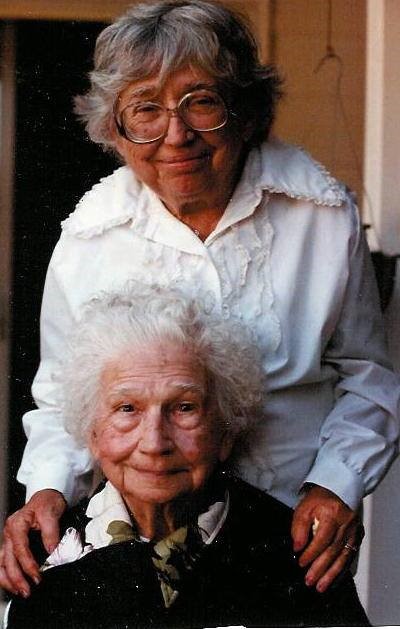
    Her own mother, Flora Belle, wife of A.E. Hoyt, lived out the last decade of her 106 years in this space, cared for by my older sister Sandy and her saint of a husband, Roy Lee. Mary Jane’s bedroom is where our mother’s mother passed into “her Father’s House”. It is also where my mother’s casket was placed at her request, although the funeral director thought it strange to hold the visitation in what was like a museum filled with dusty old stuff and perhaps a ghost or two. “Not to worry,” I told him, “there will be plenty of Holy Spirit to go around.”

    I’ve spent my sabbatical re-membering these Mothers and searching for the narrative structures that make Time both human and holy. This Sunday is the West Virginian day of days. (See Ann Reeves Jarvis, her daughter, Anna, and the1908 Mother’s Day celebration in a Methodist church in Grafton, WV).


    Sitting on the porch swing, looking at the river, I take comfort in the promise Jesus makes in the gospel of John: “I go to prepare a place for you.” May there always be room in the Inn for every mother’s daughters and sons.

    Heather Murray Elkins © Mother’s Day 2015

  • Northern Prayers

    Northern Prayers


    They warned it would be a long process; they were right. Getting permission to get into prison takes time. Fingerprinting, training sessions, waiting to have paperwork cleared, waiting to be scanned, a whole lot of waiting is involved. It gave me time to get acquainted with the six Drew male MDIV students brave enough to take a course on creative writing. I had to have 6 seminarians enroll in order to offer a class for the 15 + Northern State Prison men, and I was actually surprised to find us all behind bars.


    I’d designed the course with the Edna Mahan women in mind, since I doubted our laser-focused want-to-be theologians, biblical scholars, historians and sociologists would take a detour into the fine arts. Five of the students I’d had in a required class; one was new to me and Drew.


    He looked like he might need a distraction, following the graphic tour we’d gotten of the weapons that can be made out of stuff like spoons and pens. We leaned against a wall, and I asked him why he’d signed up for the course. He was a new spring admit, from South Korea, taking a not-required course in creative writing. The answer still brings a smile. His advisor, now a dean, had been a student of mine years before. He’d instructed this young man that he was to take any course that I offered, but, he said, “No one told me I’d have to go to prison.”


    This was a first for him, so I didn’t tell him that this was the first time a Drew woman faculty had been permitted to offer a course for credit at Northern.  I comforted myself that this had been done many times in other places, and I hoped the course title, borrowed from Deena Metzger, “Writing for Your Life” would be descriptive, not proscriptive.


    It was. It still is. Their voices, their faces, the intensity of their language, their persistence against all odds. The room we were in was dominated by a ventilation system that sounded by a wounded dragon; we had to shout to be heard over its mechanic wheezing. But the writing assignment transformed the irritating sound into a ventilator named Holy Spirit, designed to keep us alive and so we thrived.


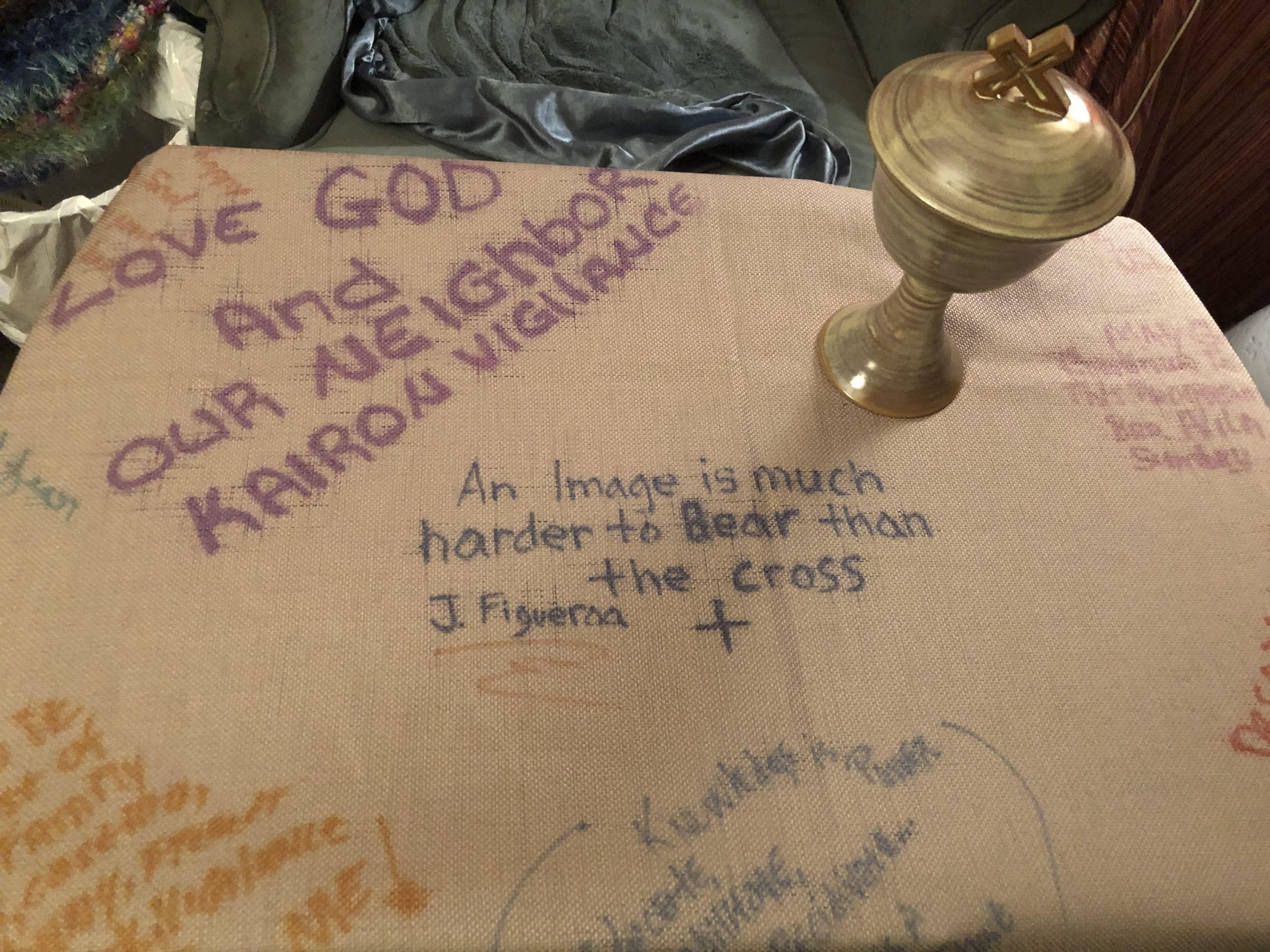
    Nothing but books and non-tractable pens were allowed in or out, except, on the last day of class, in some mysterious oversight, a table cloth the color of the uniforms was allowed.  One table cloth passed through the gates, and when I carried it out again, it held messages from the men who were writing for their lives.


    I post this picture of the cloth, and a prayer. I see the name of Northern State Prison on the list of Federal Prisons where Covid-19 numbers are exploding.


    Praying for their lives.


    Jesus, you are with our brothers as you promised. In their living, in their suffering, in their dying, you are there. For some, they are with you today in paradise. For some, they are with you today in loving service to others. For all, forever, you are with them in ways known and unknown, seen and unseen. When the gates of life open again, let us join you, so that where you are, we may be also.